
Braces
Braces are still the most versatile way to straighten teeth, and the best option when a case is more complex: severe crowding, large gaps or bite problems. They work steadily in the background while you go about your day, with nothing to remember to wear.
Antonio is certified in the Damon system (self-ligating) and in Incognito lingual orthodontics, so beyond traditional metal braces, you have access to the most discreet options on the market from someone who specialised in them, not someone who just offers them because they’re on the price list.
Consultations at Prem Dent (Elephant & Castle) and Mint Dental Centre (Oval), in English and Spanish.

Types of braces
We choose the system at your first consultation, based on your case, your budget, and how much visibility matters to you.
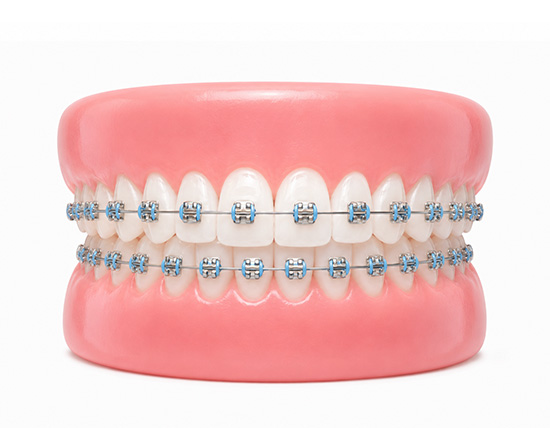
Metal
The classic option, and still one of the most effective, especially for complex cases of severe crowding or bite problems. Modern metal braces are considerably smaller and more comfortable than they were a decade ago. It’s also the most affordable option within fixed braces, and its durability makes it reliable even in longer treatments or with younger patients.
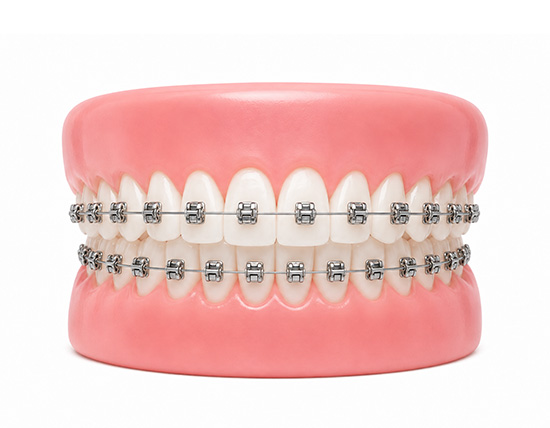
Self-ligating (Damon)
They hold the archwire with a sliding mechanism instead of traditional elastic ties. That reduces friction between the bracket and the wire, allowing teeth to move with less pressure and making adjustments more comfortable. Check-up appointments tend to be quicker since there are no ties to change one by one, and many patients notice less gum irritation during treatment.
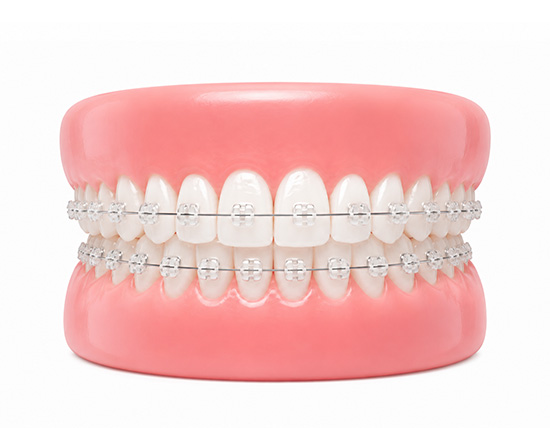
Ceramic
They work the same way as metal braces, but they’re made from a material that blends with your natural tooth colour, so they’re far less noticeable at conversation distance. They’re popular among adults who want an effective treatment but prefer to avoid the metal look, without switching to removable aligners. Ceramic brackets are slightly larger and more fragile than metal, so they need a bit more care around hard foods.
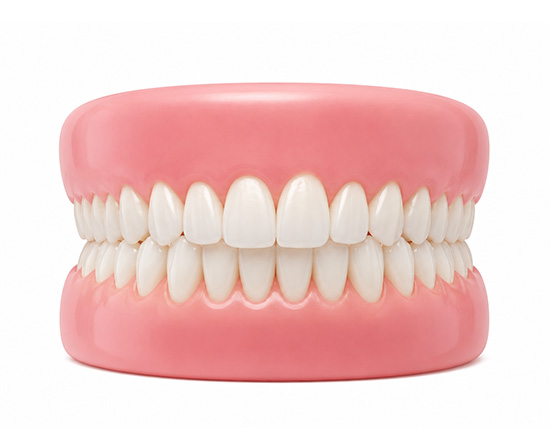
Lingual (Incognito)
They sit on the inner surface of your teeth, so they’re completely hidden when you talk, smile or take a photo. It’s the most discreet option within fixed braces. The Incognito system custom-manufactures each bracket to the shape of your teeth, which improves the precision of the movement. It’s normal for speech to take a few days to adjust.
Before you start
Braces or clear aligners, which one is right for me?
It depends on how complex your case is. Fixed braces tend to be the better option for severe crowding, large gaps, marked rotations or bite problems, because they don’t rely on the patient wearing them a minimum number of hours a day. Clear aligners work well for mild to moderate cases, with disciplined patients who wear them as instructed. At your first consultation we assess your case and tell you honestly which one will give you the better result, not which one you’d prefer.
From what age can braces be used?
Generally once most permanent teeth have come through, around age 11 to 13. There’s no upper age limit, we treat adults the same as teenagers. If your child is younger and what they need is guidance for jaw growth rather than aligning permanent teeth, that evaluation falls under Children’s Orthodontics.
How long does treatment take?
Most cases take between 18 and 24 months. Minor cosmetic adjustments can be resolved in 6 months, while complex bite or jaw corrections can take up to 3 years. The exact timeline is confirmed at your consultation, once we’ve assessed your case.
Are there financing plans?
Yes, we offer financing plans. Each type of treatment has its own payment options, and we’ll walk you through what applies to your case at your consultation.
During treatment
What should I avoid eating?
Hard or sticky foods: nuts, chewing gum, ice, hard sweets. They bend the wire and knock brackets loose. Cut hard fruits and vegetables into small pieces instead of biting into them directly.
How do I brush with braces?
Brush after every meal and use floss threaders or interdental brushes. Regular floss can’t get under the wire, so without those tools some areas go uncleaned.
What do I do if a bracket or wire comes loose?
It’s not an emergency and it won’t affect your final result. If the wire is rubbing or bothering you, cover the end with orthodontic wax and call to book the next available slot. Call us right away only if there’s real pain, a wound inside your mouth, or if you’ve swallowed a piece.
What happens once treatment is finished?
You’ll wear a retainer to keep your teeth in their new position. Without a retainer, teeth tend to shift back over time.
Not sure if this is your case?
Book the consultation anyway, that’s what it’s for.